

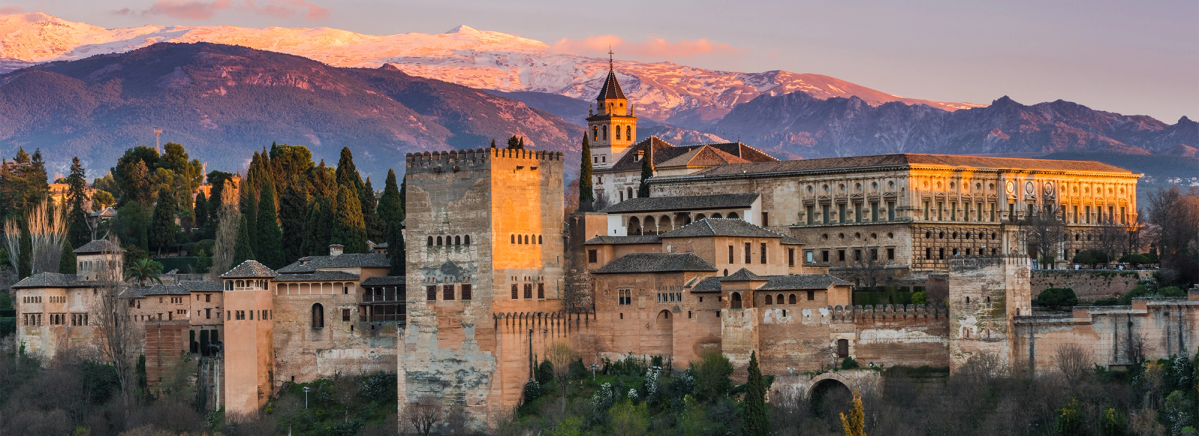
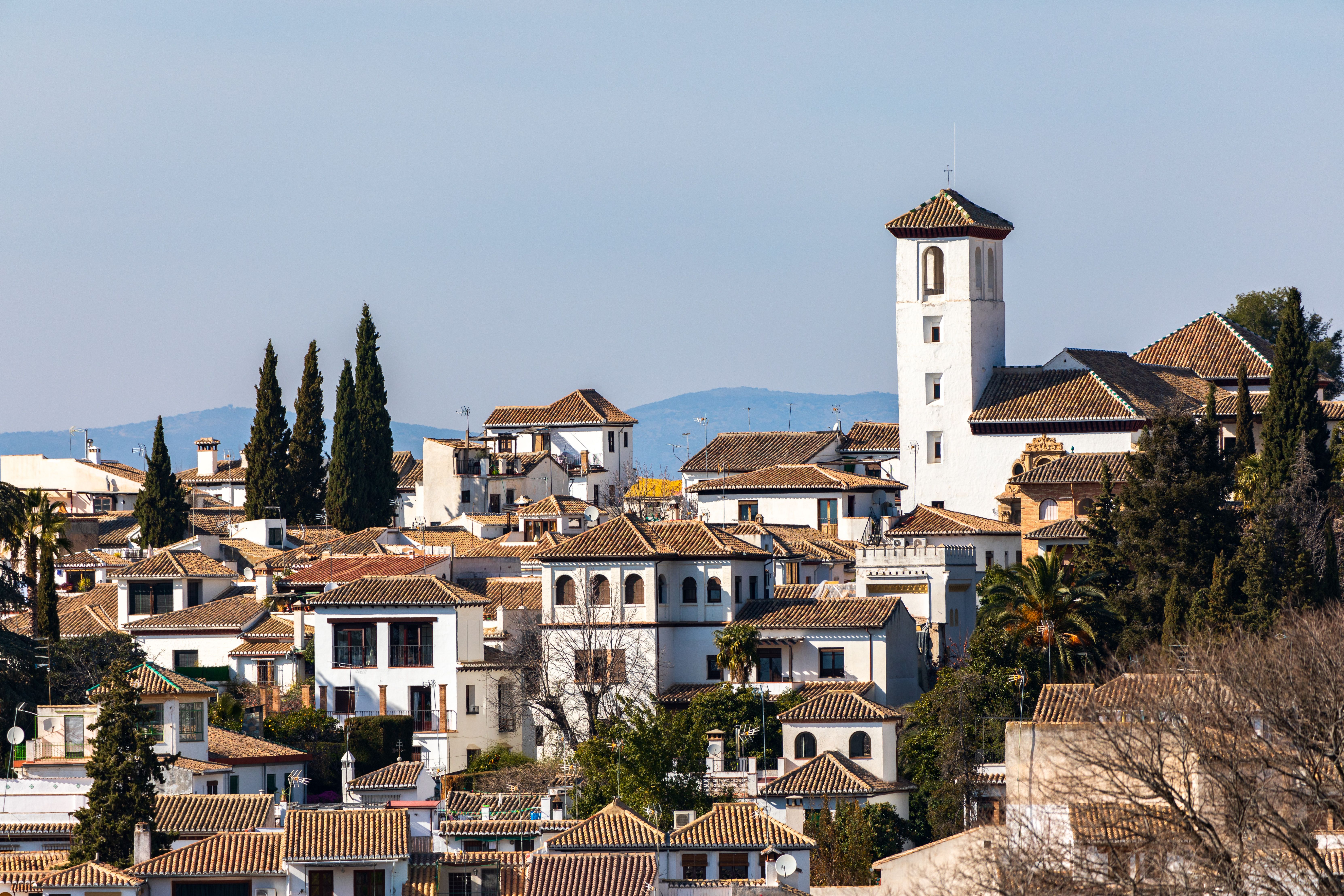
GI have recently returned from a short winter break in the Andalucian city of Granada. While best known for the (fantastic) palaces of the Alhambra, the preserved Moorish city below has just as much to offer. The Muslim Kingdom of Granada (once the size of Switzerland) was a modern, wealthy state which built a capital to match. After the fall of the Alhambra, Granada became the centre of the new Spanish empire, but the court moved on to Madrid in the late-16th century. The Albaicin - Granada’s old town which sprawls over the opposite valley-side to the Alhambra – has been left in a state of preservation in the centuries since, with the Spanish new money spent instead on the flatter ‘new town’ below. Most visitors will lose themselves among the cobbled streets and placetas, but delving a little deeper, the interior of the quarter’s ancient courtyard houses offer just as much as their enchanting setting.
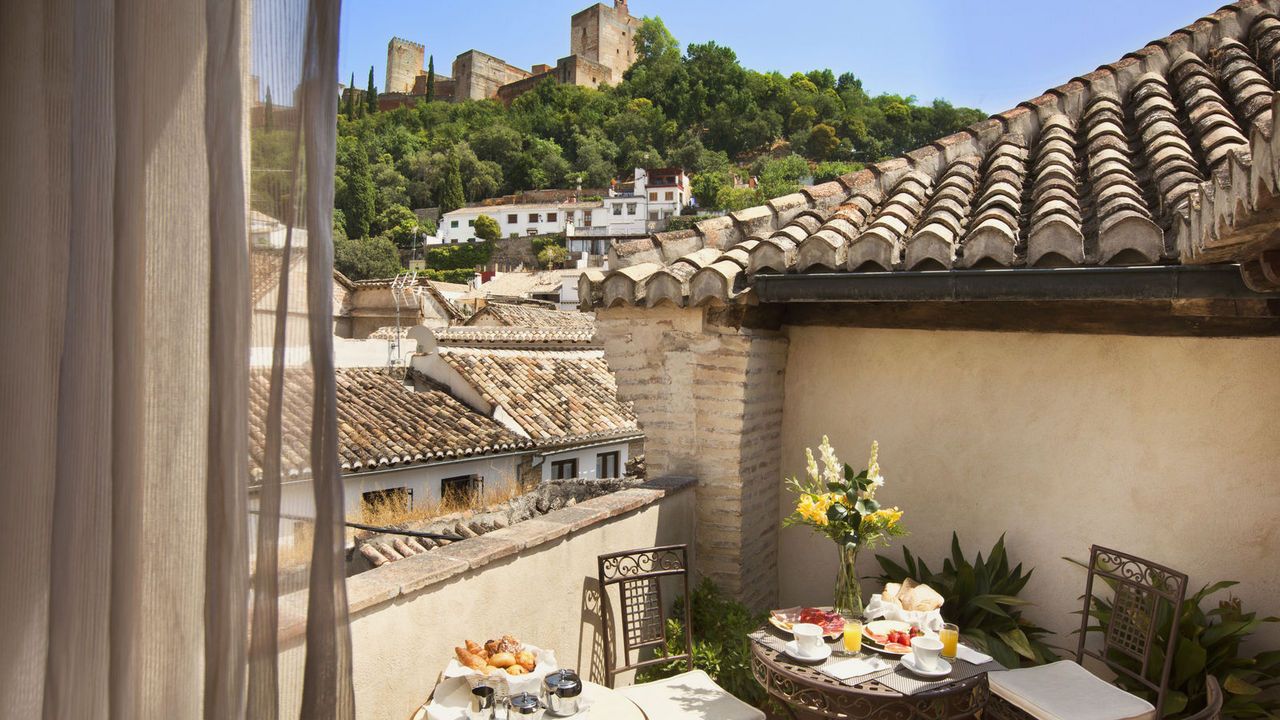
We stayed in the very comfortable Casa 1800 – a late 16th century nobleman’s house perfectly positioned at the foot of the Albaicin. Built on the footprint of an earlier Muslim building, the Spanish conquerors rebuilt the house over three floors, installing a grand staircase and Castilian doorway. The heart of the hotel, however, remains the original frescoed courtyard. Heated in the winter, and a cool haven in the summer months, the space is now used for breakfast and remains open as a comfortable lounge throughout the day. Each afternoon, the hotel offer a complementary afternoon tea here as well, an opportunity to try the local piononos – miniature sponge rolls topped with custard cream. Rising above the courtyard, the two floors above also preserve original fabric, and the rooms have been tastefully decorated to complement the ornate 18th century woodwork.
Although more comfortable to stay at the base of the hill, my personal highlight of the Albaicin required a steep climb to the summit. The Palacio Dar al Horra is a less visited site, hidden in the quieter streets of the Albaicin’s northwest corner. The house is a hidden gem, however, preserving some of the best Nasrid decoration outside of the Alhambra complex. Built towards the end of the Muslim period in the early-15th century, the palace was a higher status building than the Casa 1800 below and is named for Aisha Al-Horra, the mother of the last Nasrid sultan. The courtyard is much larger, with a small central pool which mirrors the famous water courts of the Alhambra, and was repurposed as a cloister for nuns under Queen Isabella. Above, the house is on two stories, and has stood empty since the nuns left 100 years ago. The plain plastered walls are interspersed with Nasrid stucco decoration, offering a unique chance to see the intricate plasterwork up close in a domestic setting. Most special of all, however, is the small tower above, as the lookout perfectly frames the Alhambra, snow-capped Sierra Nevada, and the Albaicin below.