Riga, Vilnius, Tallinn & Helsinki
In late July, myself and my colleague Marcus spent just over a week exploring four fascinating cities around the Baltic Sea: Riga, Vilnius, Tallinn and Helsinki. Naturally, much time was spent inspecting the lovely hotels which we work with in each city, but thankfully there was also plenty of time to explore each capital, with walking tours and sightseeing aplenty. With two nights in each city, we were able to get a good feel for each place without trying to cram too much in.
Riga, Latvia
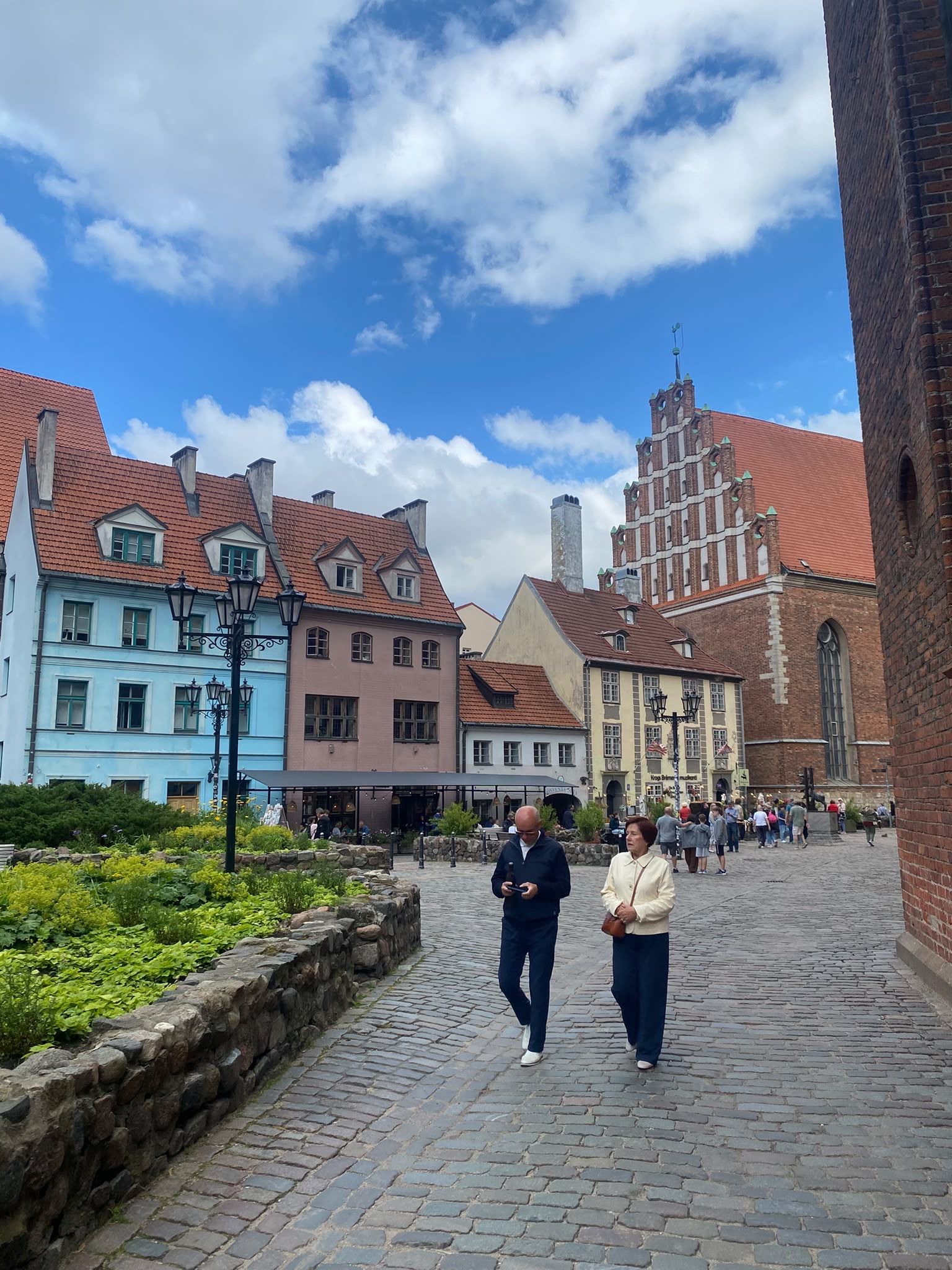
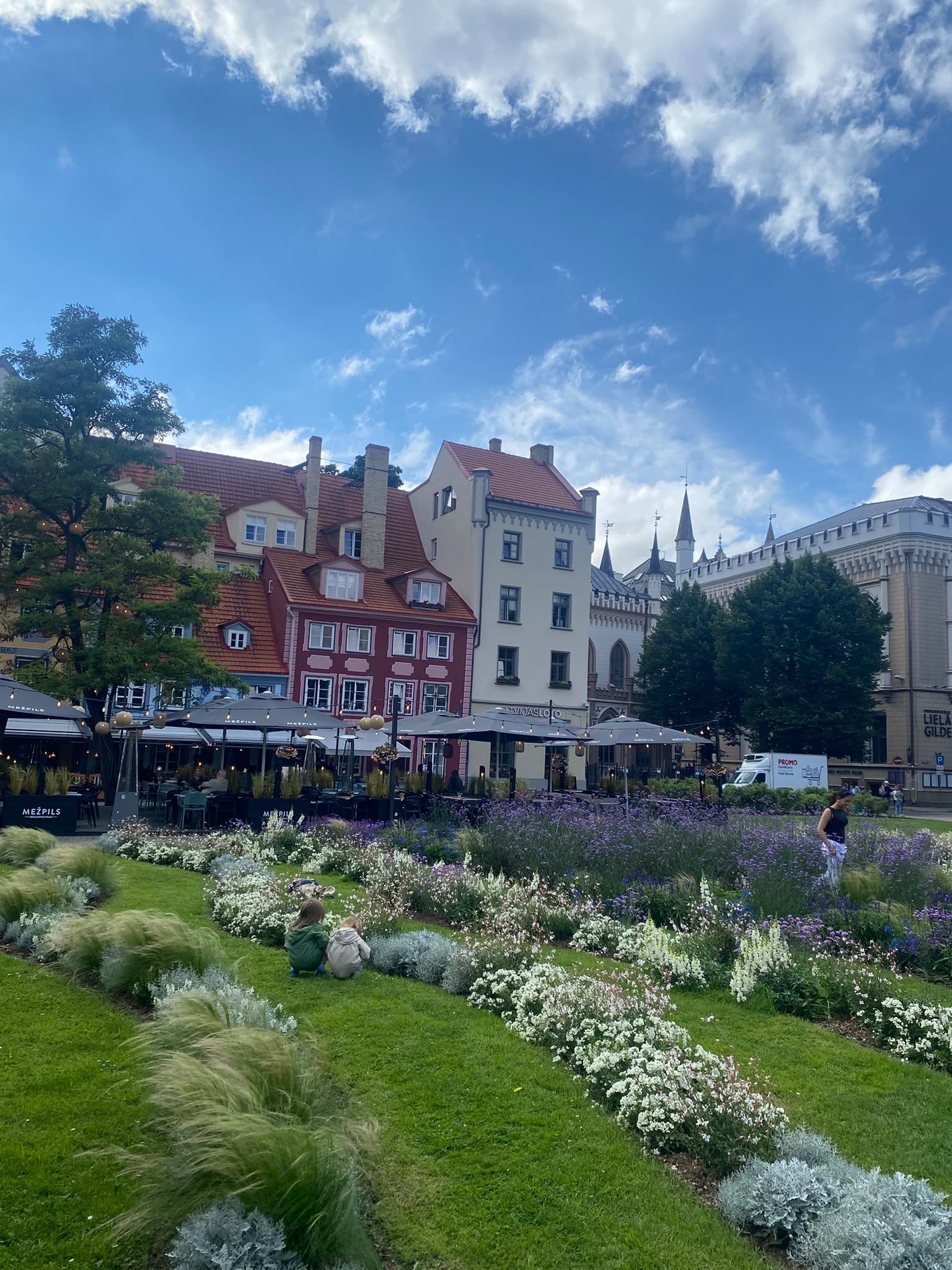
I started my trip in Riga, Latvia's elegant capital. The city has a fascinating mix of architectural styles, from medieval buildings in the Old Town to the impressive Art Nouveau architecture that Riga is particularly famous for.
Our private walking tour took us around the main sights of the Old Town, including the beautiful House of the Blackheads, Riga Cathedral and the narrow cobbled streets surrounding them. There was plenty of history around every corner, but Riga also felt like a lively, modern European city, with cafés, restaurants and bars bringing the streets to life. I confess, I didn't know too much about Riga’s art deco tradition, and really enjoyed learning about that admirable architecture.
Vilnius, Lithuania
The journey from Riga to Vilnius was almost as interesting as the destination. Rather than travelling directly, we stopped at two of the region's most memorable sights: Rundale Palace and the Hill of Crosses.
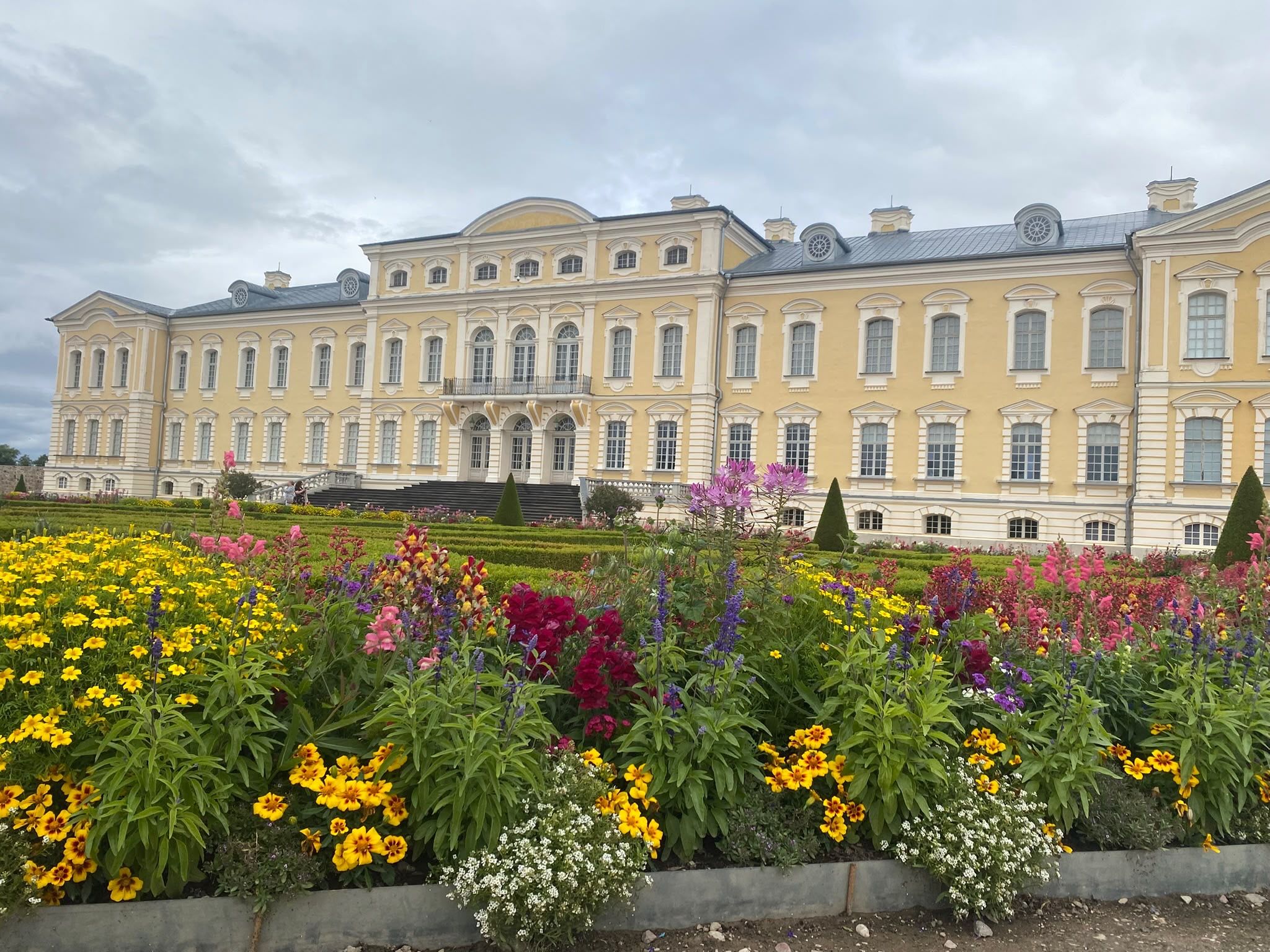
Rundale Palace was a real highlight. This magnificent Baroque and Rococo palace feels surprisingly grand given its location in the Latvian countryside, with beautifully decorated interiors and extensive gardens. We had a tour with an expert local guide, who really brought the palace and gardens to life.
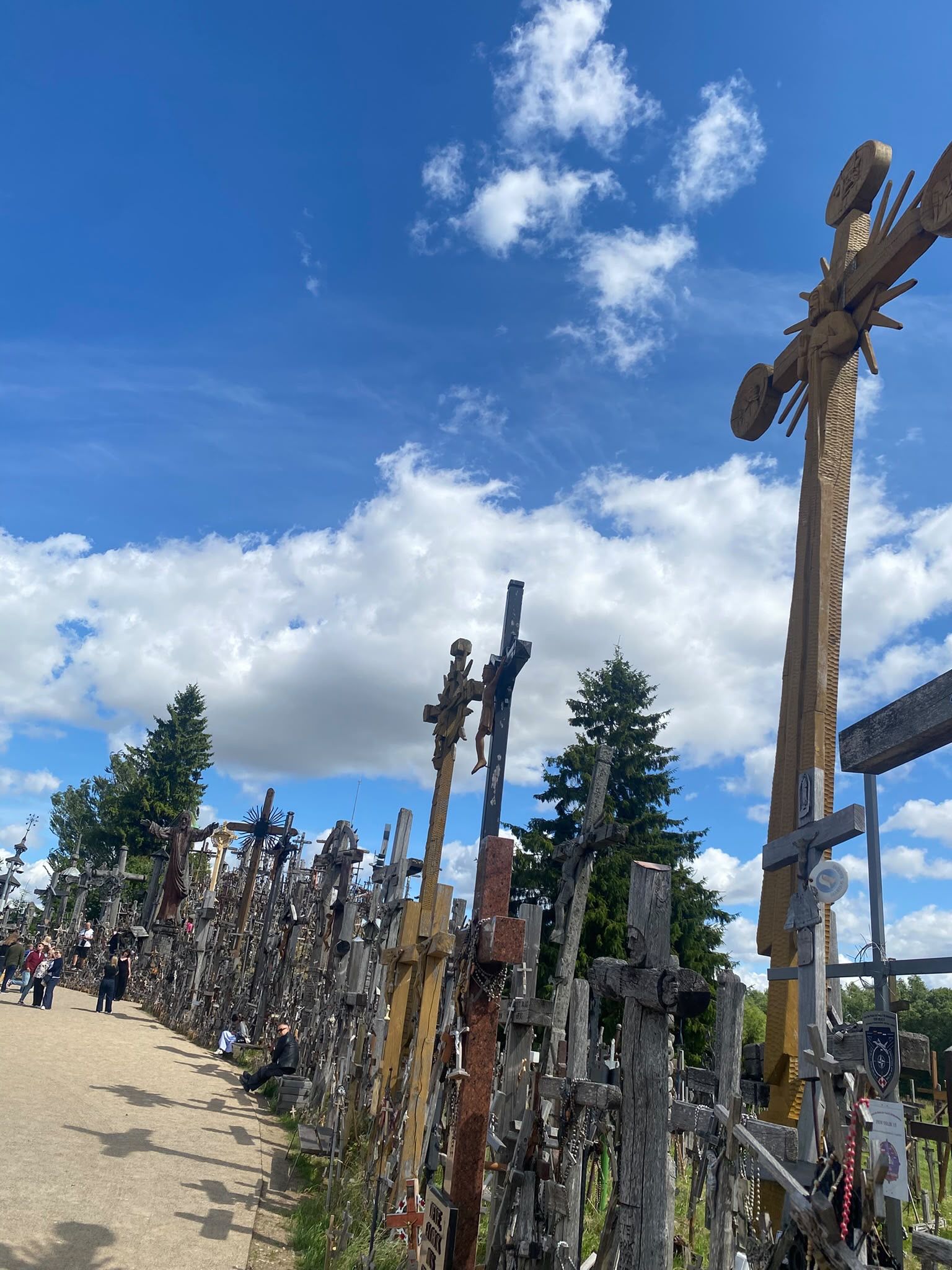
The Hill of Crosses, just over the border in Lithuania, was a completely different experience. Thousands of crosses cover the hill, creating an unusual and atmospheric sight. You don’t have to spend too long here, but it is a unique site.
I eventually arrived in Vilnius, where the walking tour introduced me to the city's historic centre. The Old Town is full of beautiful churches, colourful buildings and atmospheric streets, with the Gediminas Tower providing one of the city's most recognisable landmarks. Our guide Marija used to work at the historic university, which was very beautiful and had an interesting past.
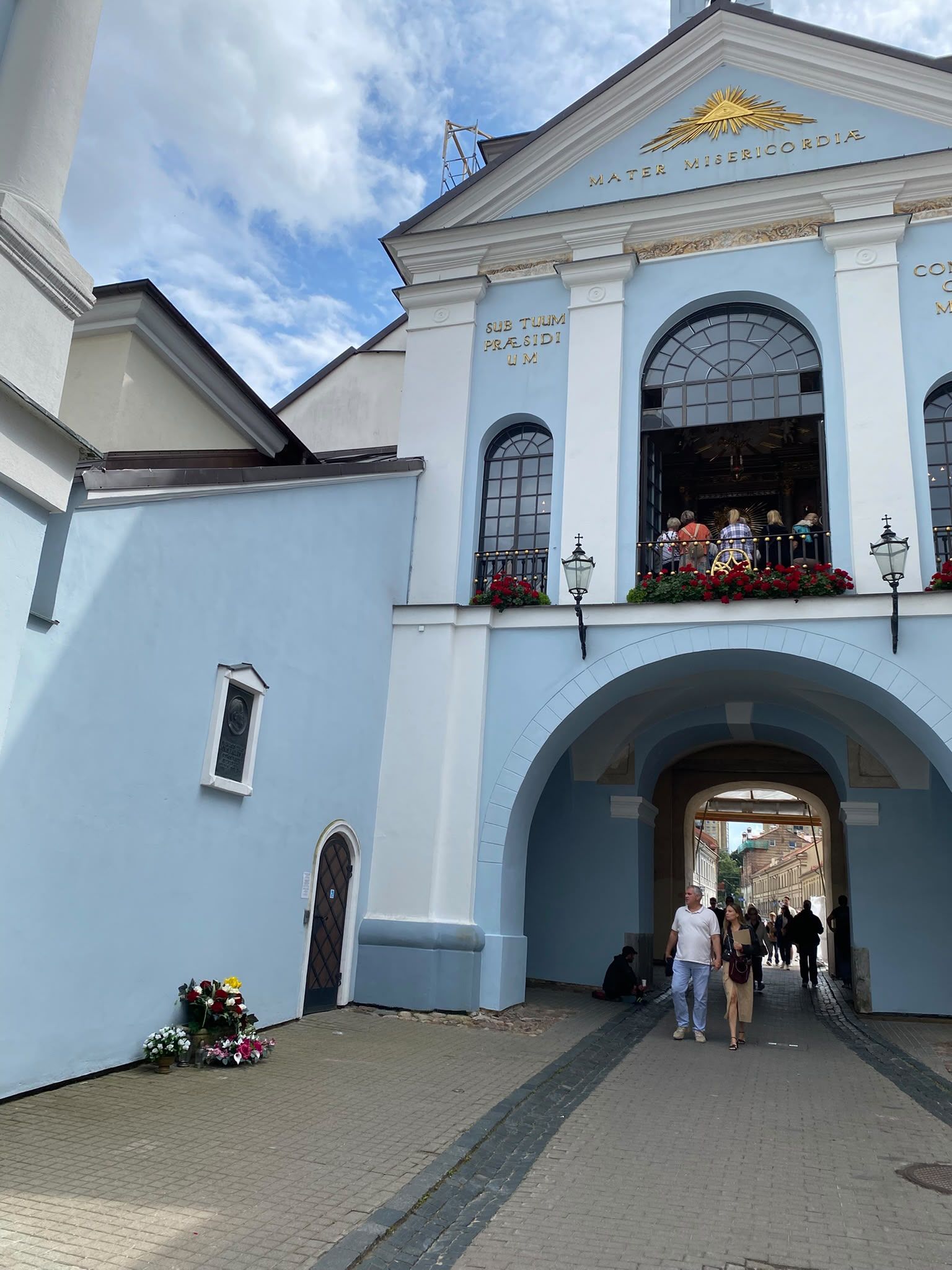
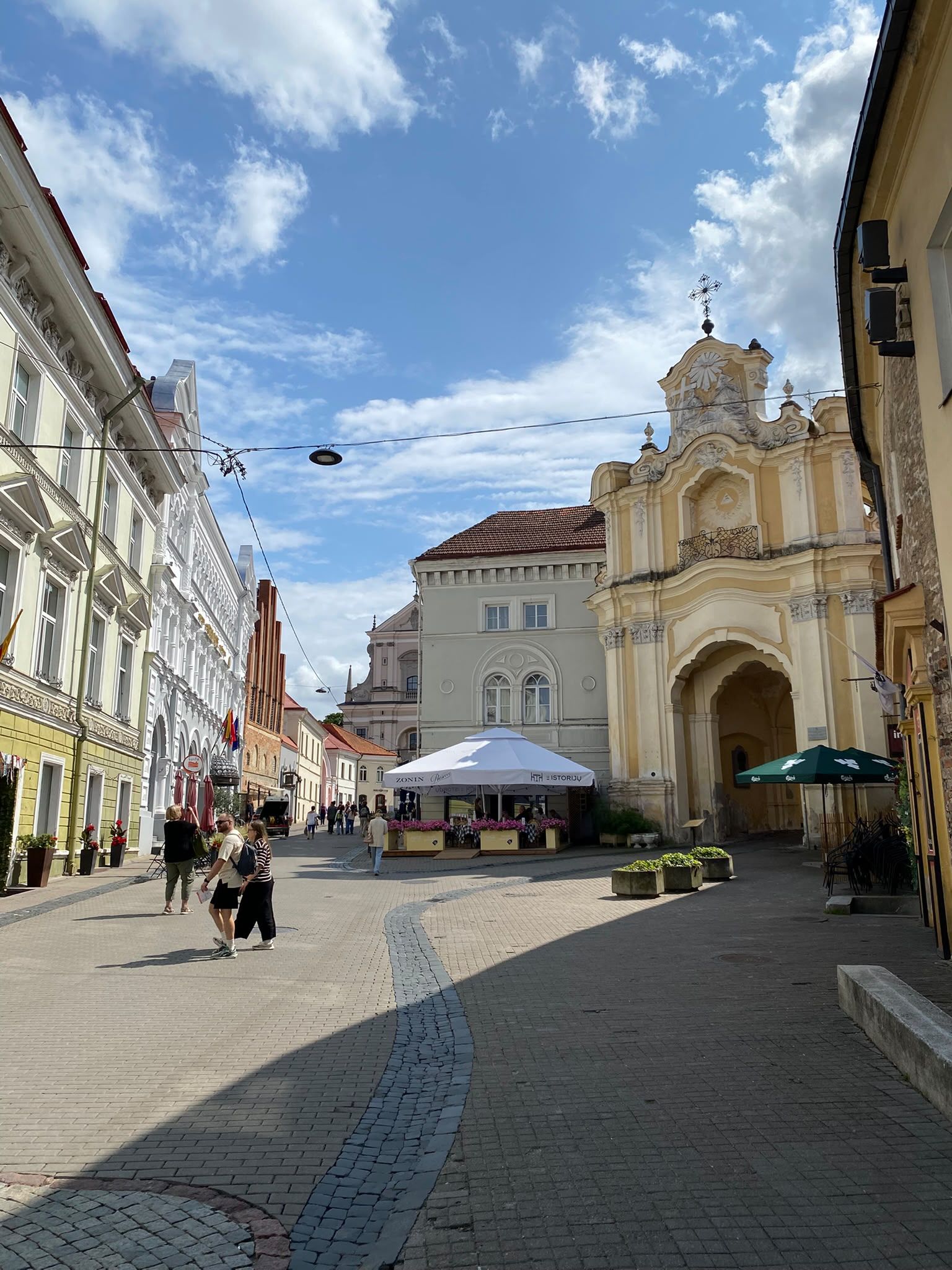
Vilnius felt a little more relaxed and understated than Riga, and while it had it’s similarities, was certainly different enough that it felt entirely worthwhile to make the trip south to stay there.
From Vilnius, we flew to Tallinn, the capital of Estonia and perhaps the most immediately picturesque city of the trip.
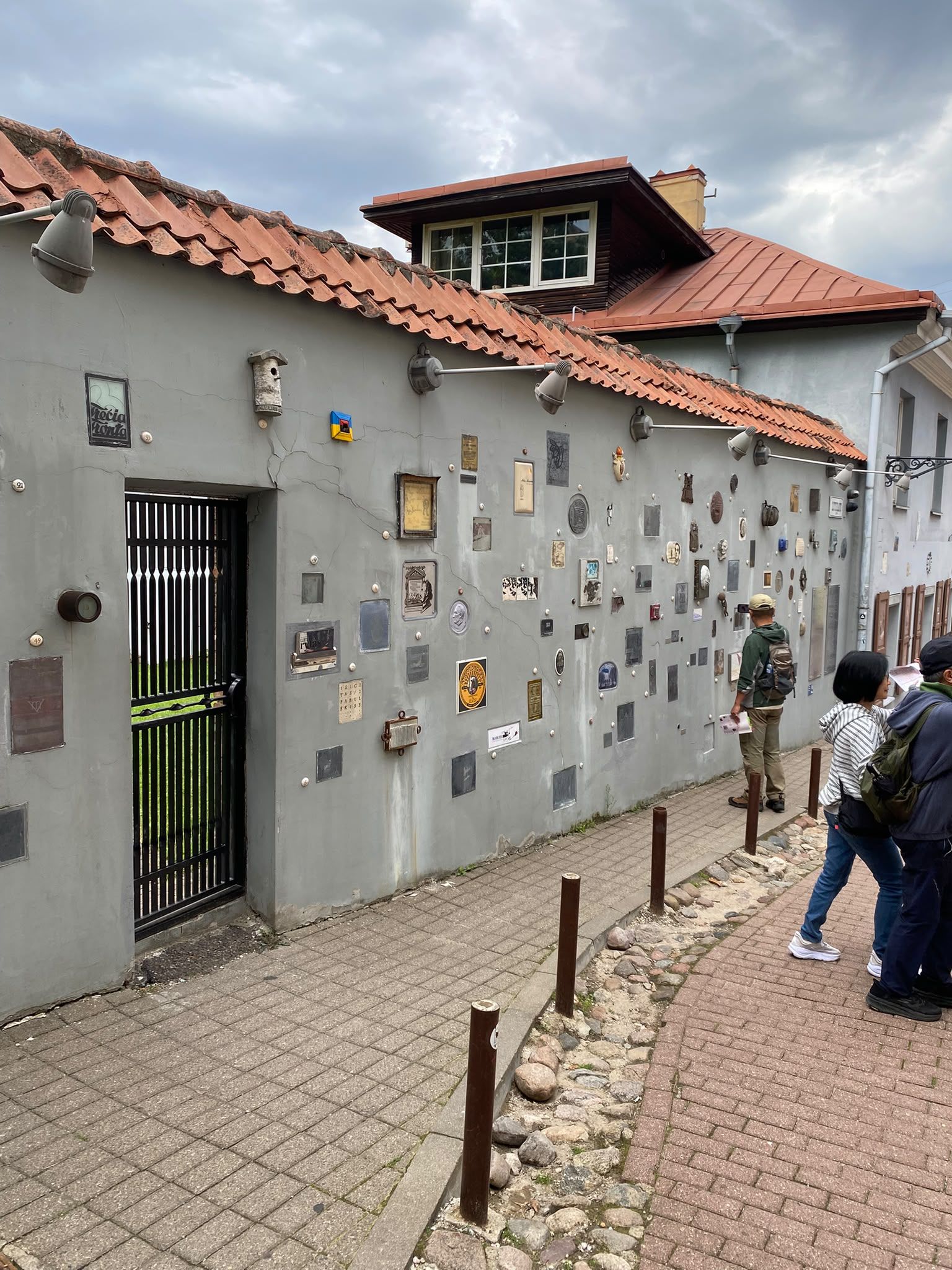
Tallinn
Tallinn's medieval Old Town feels remarkably well preserved, with its ancient walls, towers, cobbled streets and colourful buildings.
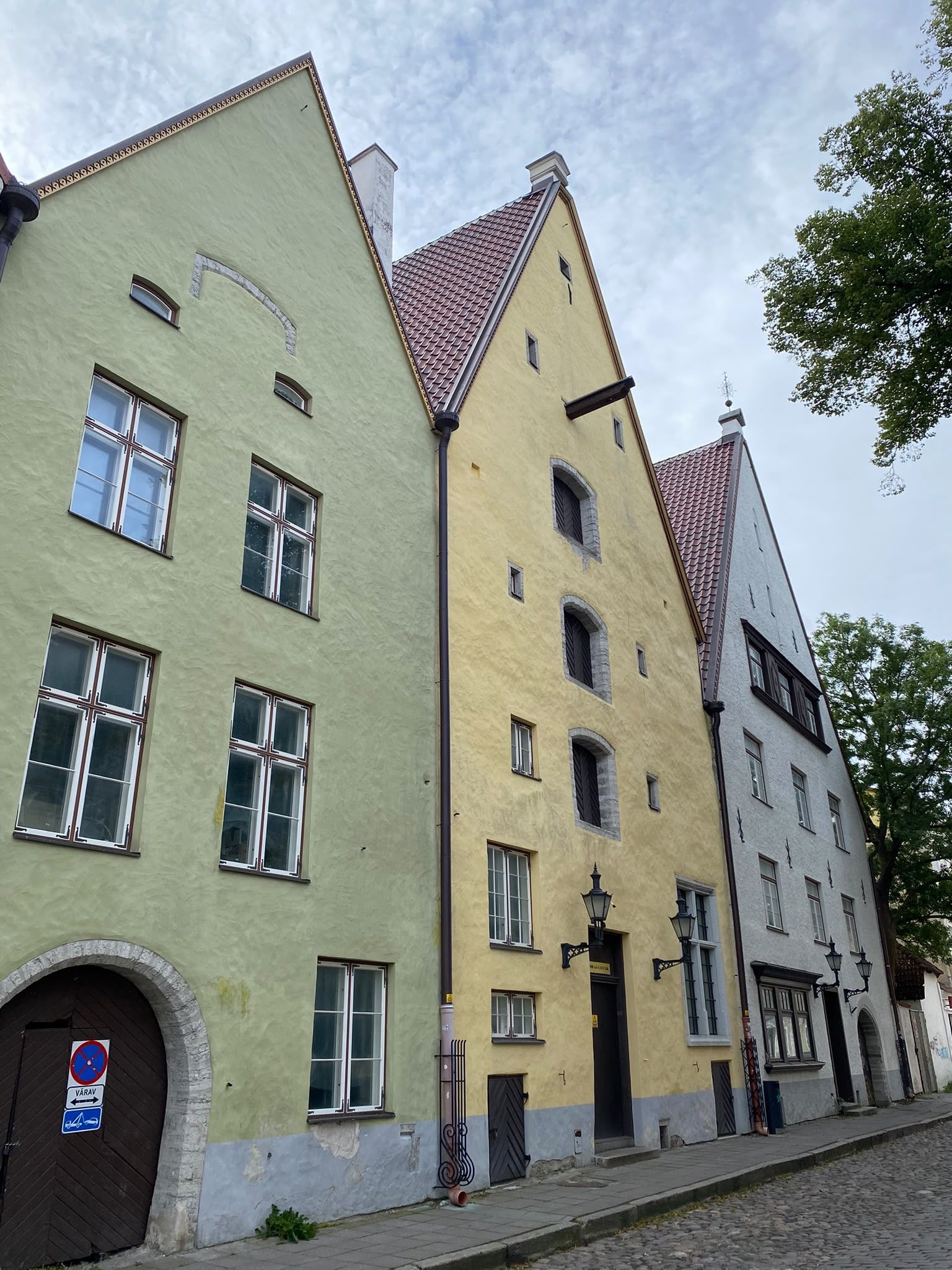
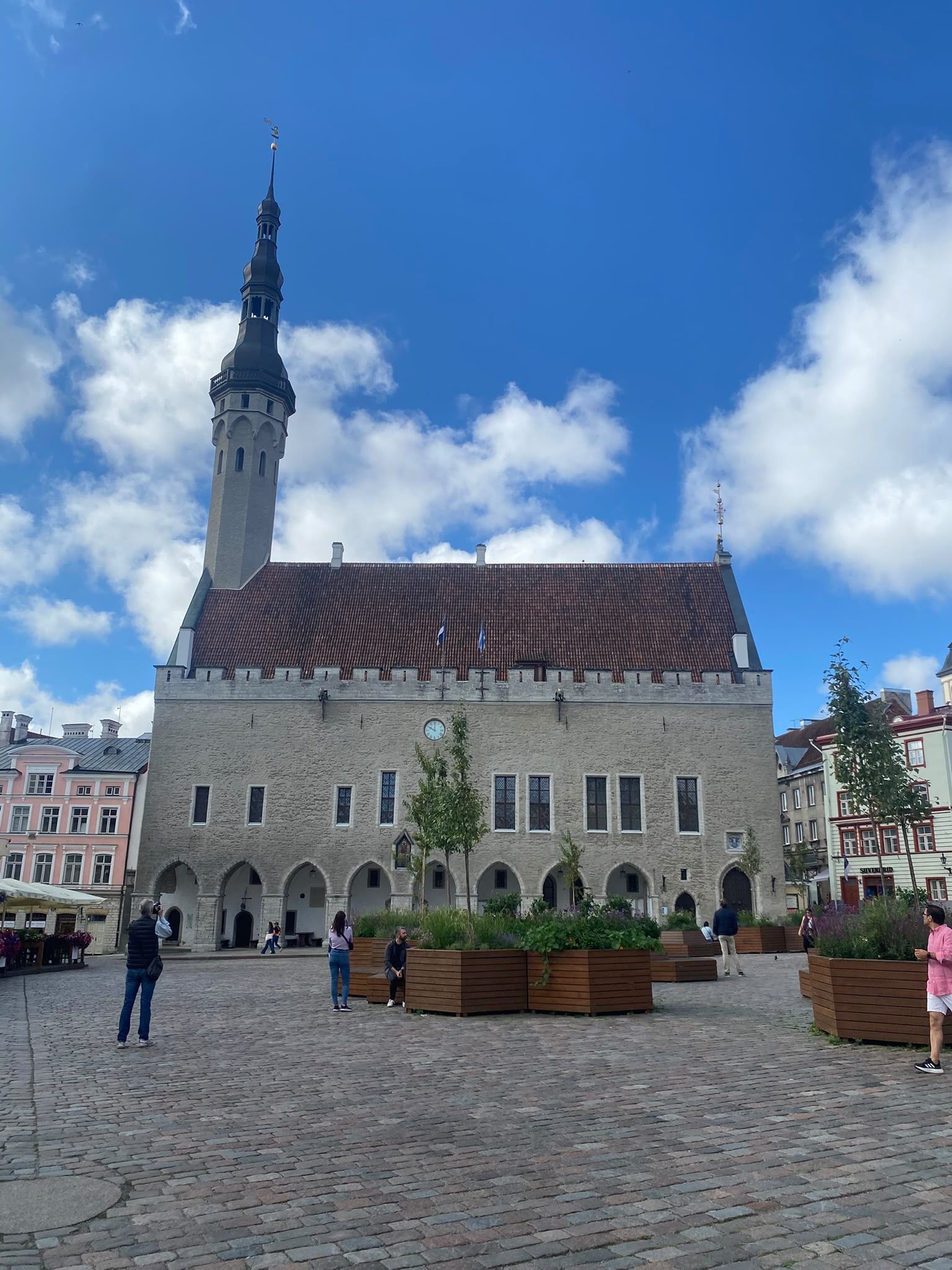
Our private walking tour was a great introduction to the city, taking in the major sights and explaining the stories behind them. We were there over a weekend, so it was a little busier and more touristy than the other cities. However, locals stated that due to the Russian war, fewer cruise ships were stopping in Tallinn, and rising prices has meant fewer stag dos in the city (music to the ears of Kirker clients).
One of the things I enjoyed most about Tallinn was how compact it felt. The main historic sights are all within easy walking distance, so it was possible to explore without constantly checking a map or worrying about transport.
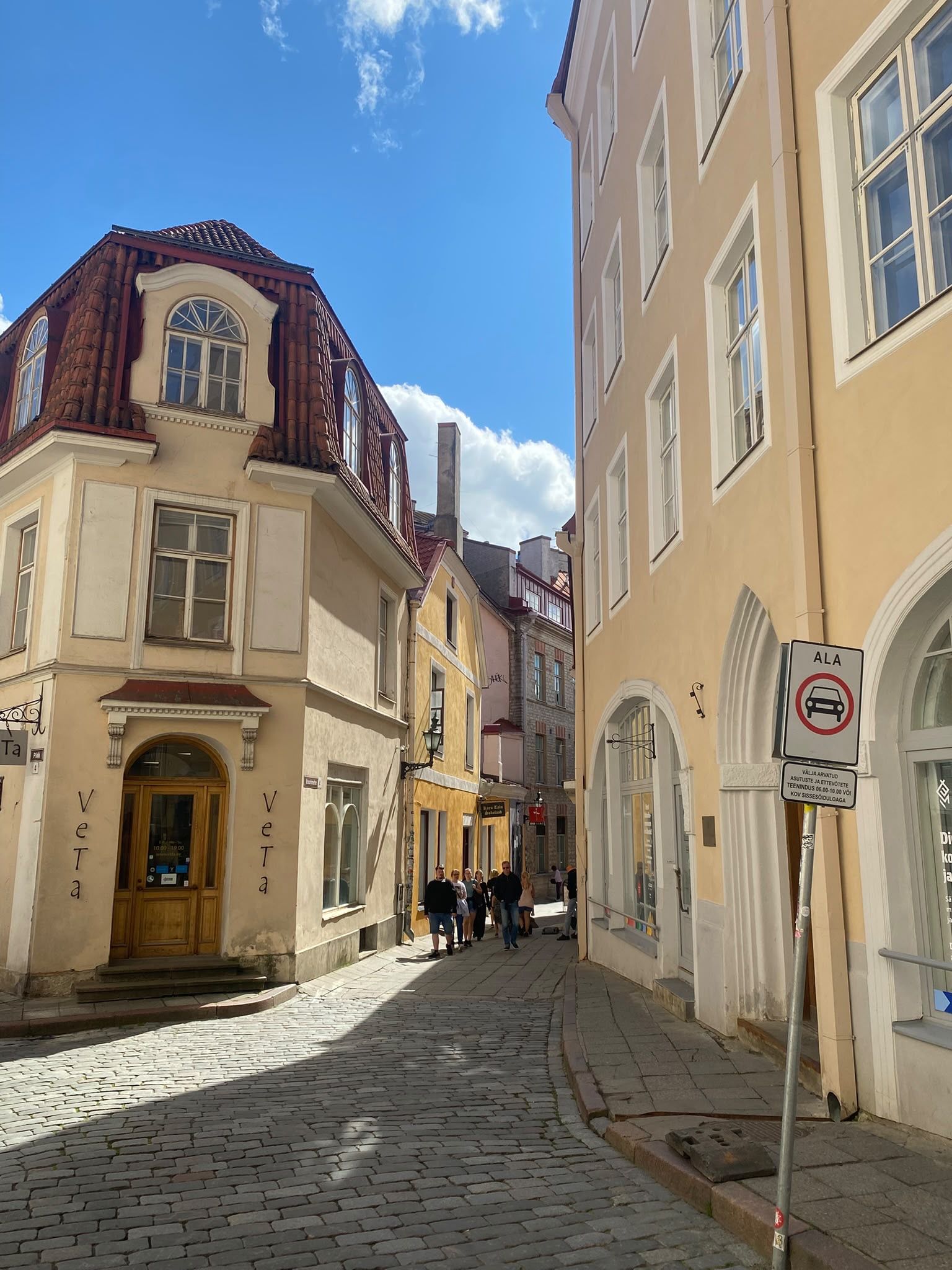
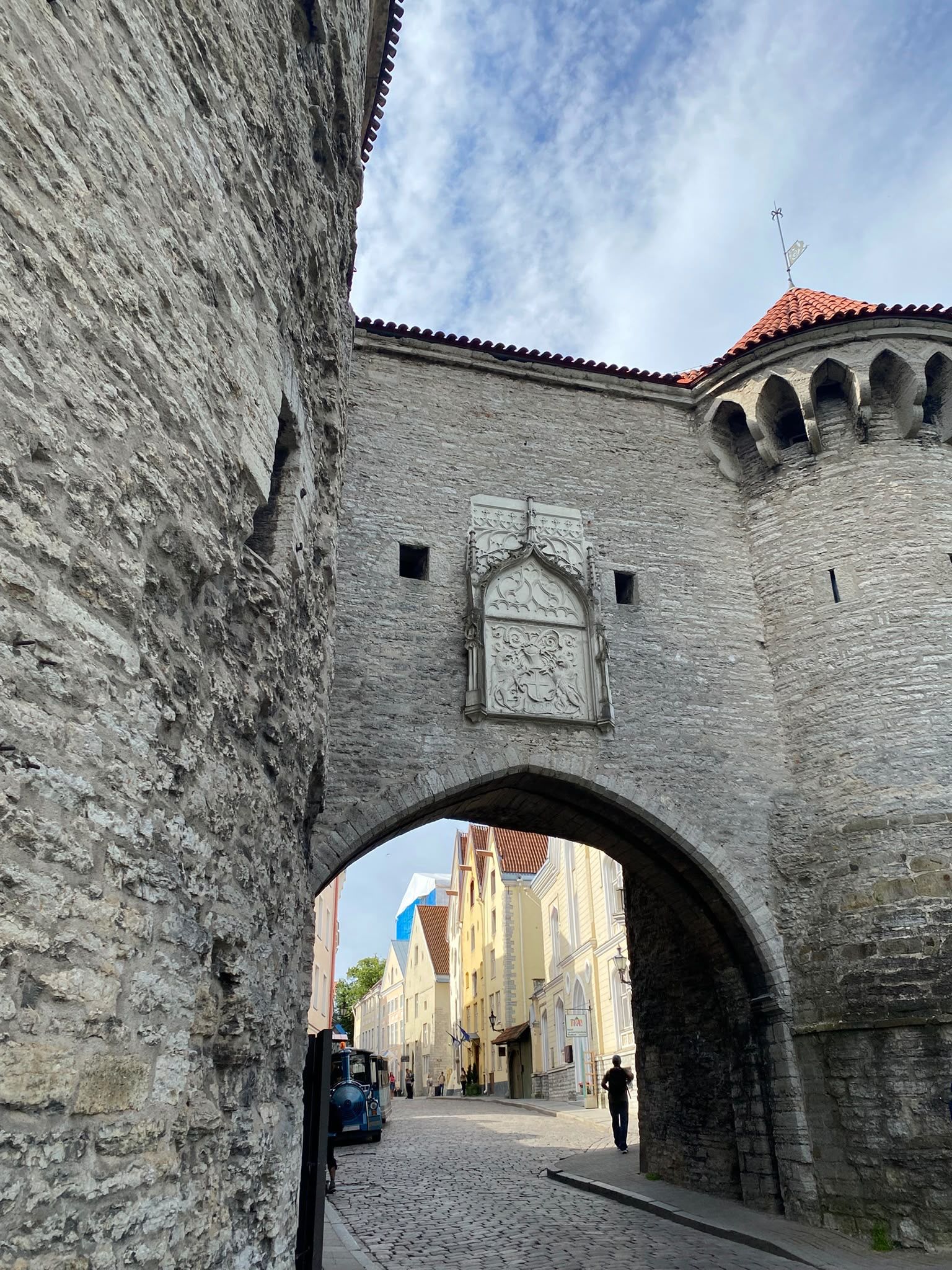
After the history and architecture, it was also nice to spend time simply enjoying the city's cafés, restaurants, and, on Friday night, a few of the bars. Tallinn managed to combine its medieval character with a distinctly modern feel, and was perhaps my favourite city we visited.
Helsinki, Finland
The final stop was Helsinki, reached by a very comfortable morning ferry from Tallinn. The journey across the Baltic was an enjoyable part of the experience in itself and made for a memorable transition between Estonia and Finland.
Helsinki felt noticeably different from the three Baltic capitals. It is more spacious and modern, with a strong Nordic feel and a mix of impressive architecture, waterfront areas and green spaces. While there is a small historic centre, the city is characterised by its contemporary buildings - the public library, for example, was beautiful. We also took a short ferry to see Suomonlinna, a UNESCO heritage site and historic sea fortress spread across a group of islands just off Helsinki. Walking around its old fortifications, tunnels and waterfront paths was really enjoyable, and the museum there was excellent.
Two nights in each city turned out to be a good balance. I saw the main sights, had enough time to wander around and experience each place, and never felt that I was spending too long in one destination.
The journey itself was also part of the adventure, from the road trip through Latvia and Lithuania to the flight to Tallinn and the ferry across to Helsinki. Four cities, four countries and a great introduction to a part of Europe that I hadn't explored before.
The journey itself was also part of the adventure, from the road trip through Latvia and Lithuania to the flight to Tallinn and the ferry across to Helsinki. Four cities, four countries and a great introduction to a part of Europe that I hadn't explored before.