

Of the myriad cities lining the great Danube river flowing through Europe, Budapest certainly stands out for its strong musical pedigree, delicious hearty food, and the dramatic origin myth of the “Magyar” people inhabiting it.
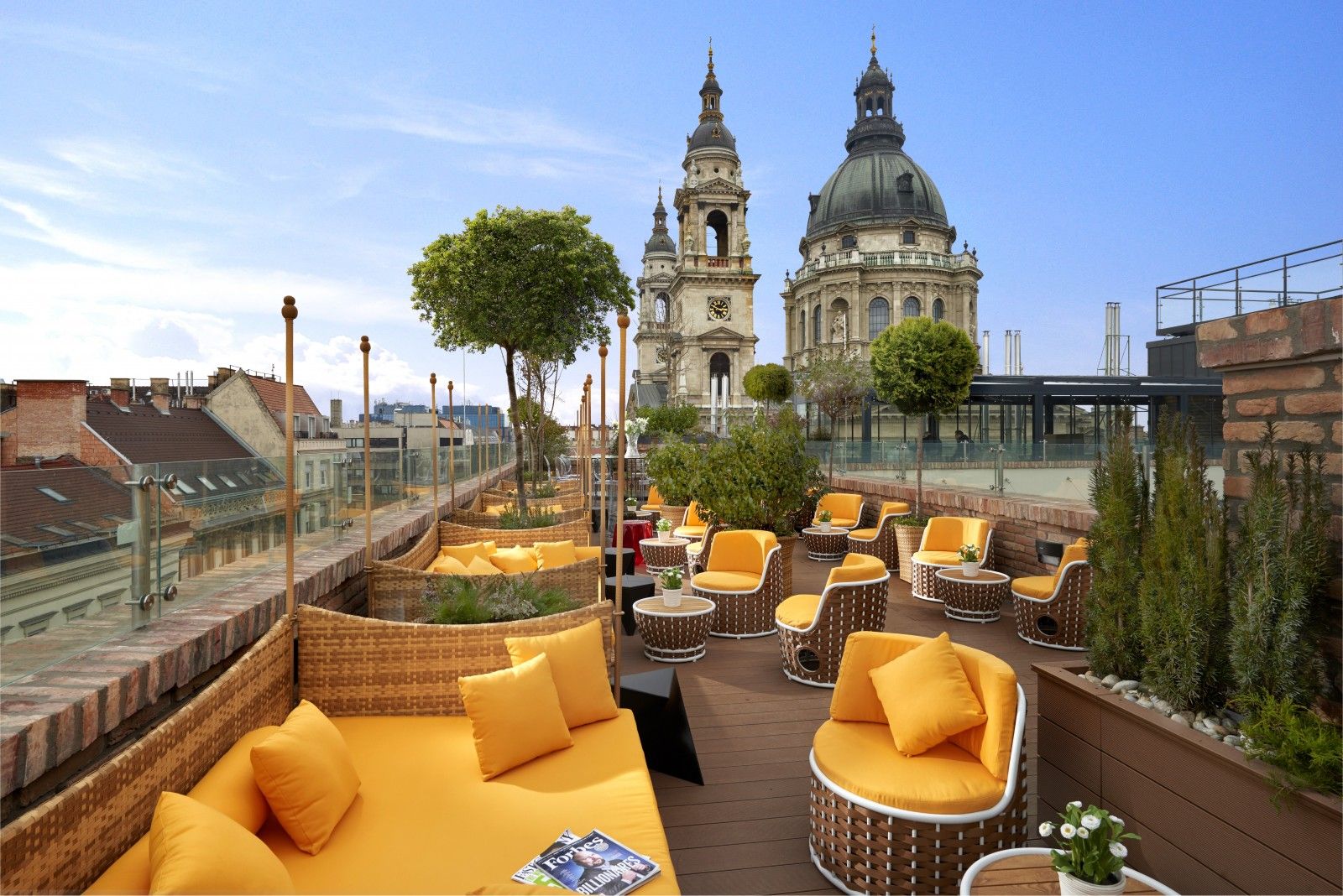
During my visit, I was fortunate enough to stay at the beautiful hotel Aria, located just down the street from St. Stephen’s Basilica in the centre of Pest. Here, on certain afternoons, guests are treated to live musical performances in the glass-ceiled lobby, resounding from the centrepiece, an elegant grand piano, whilst being served complimentary local wine and cheeses. Personally, I felt that there was no better way to dive into Hungarian culture on my first afternoon.

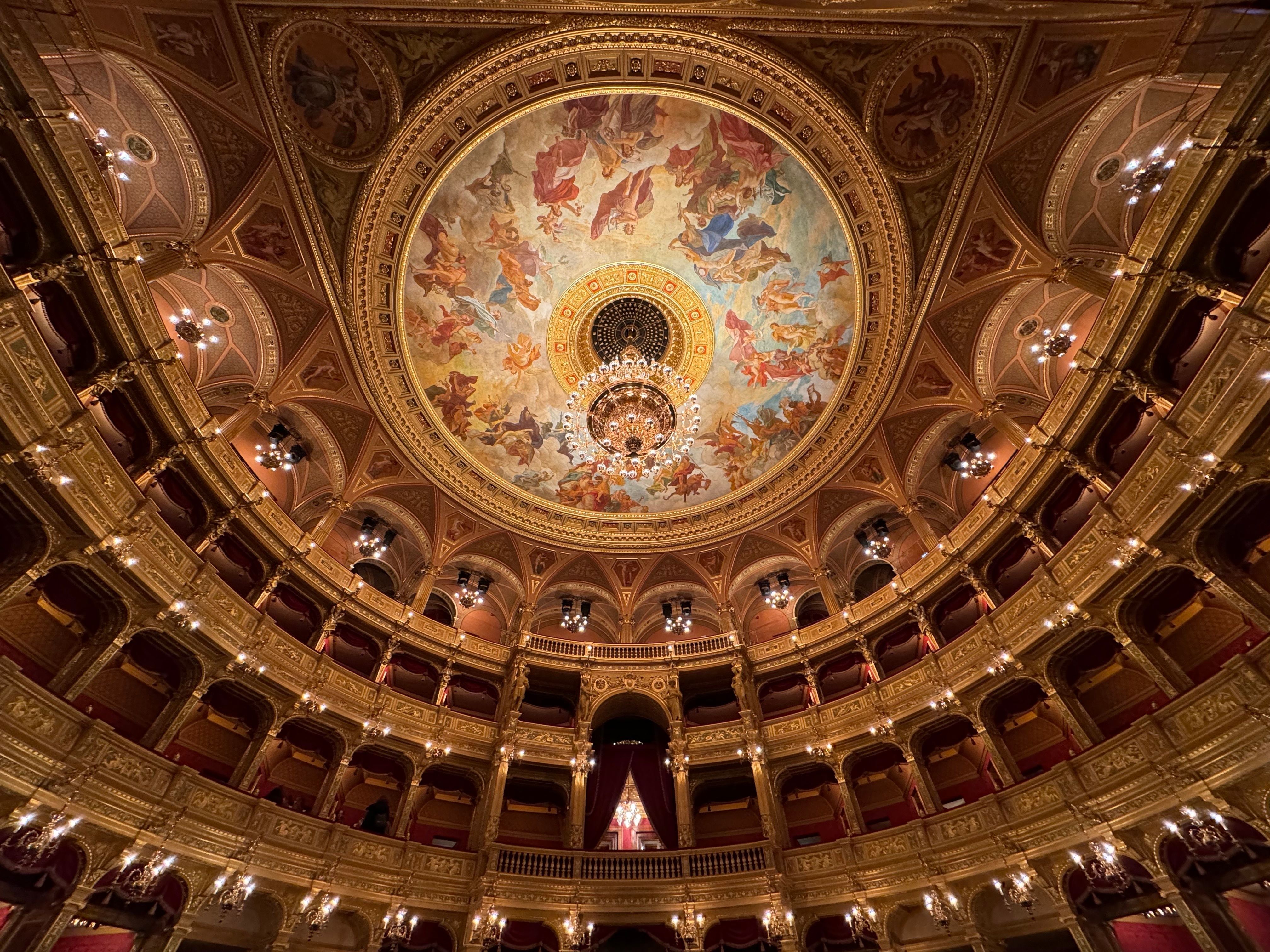
However, the true exploration of Hungarian culture commenced the following morning as I embarked on a walking tour of Pest. We began at the opera house where Hungary’s musical history came to life with stories of its founder, Ferenc Erkel, whose influence extends to operas still performed today such as Bánk bán or Hunyadi László.
Following this, we moved onto Heroes Square, taking a short trip aboard the Continent’s oldest metro line – still charmingly Victorian in style, where we heard all about the settlement of the Magyars and the establishment of the legendary Arpad dynasty. In fact, the term Hungary is imposed by the English speaking world whereas the Hungarians still call the country Magyarorszag, literally “Magyar-land”.
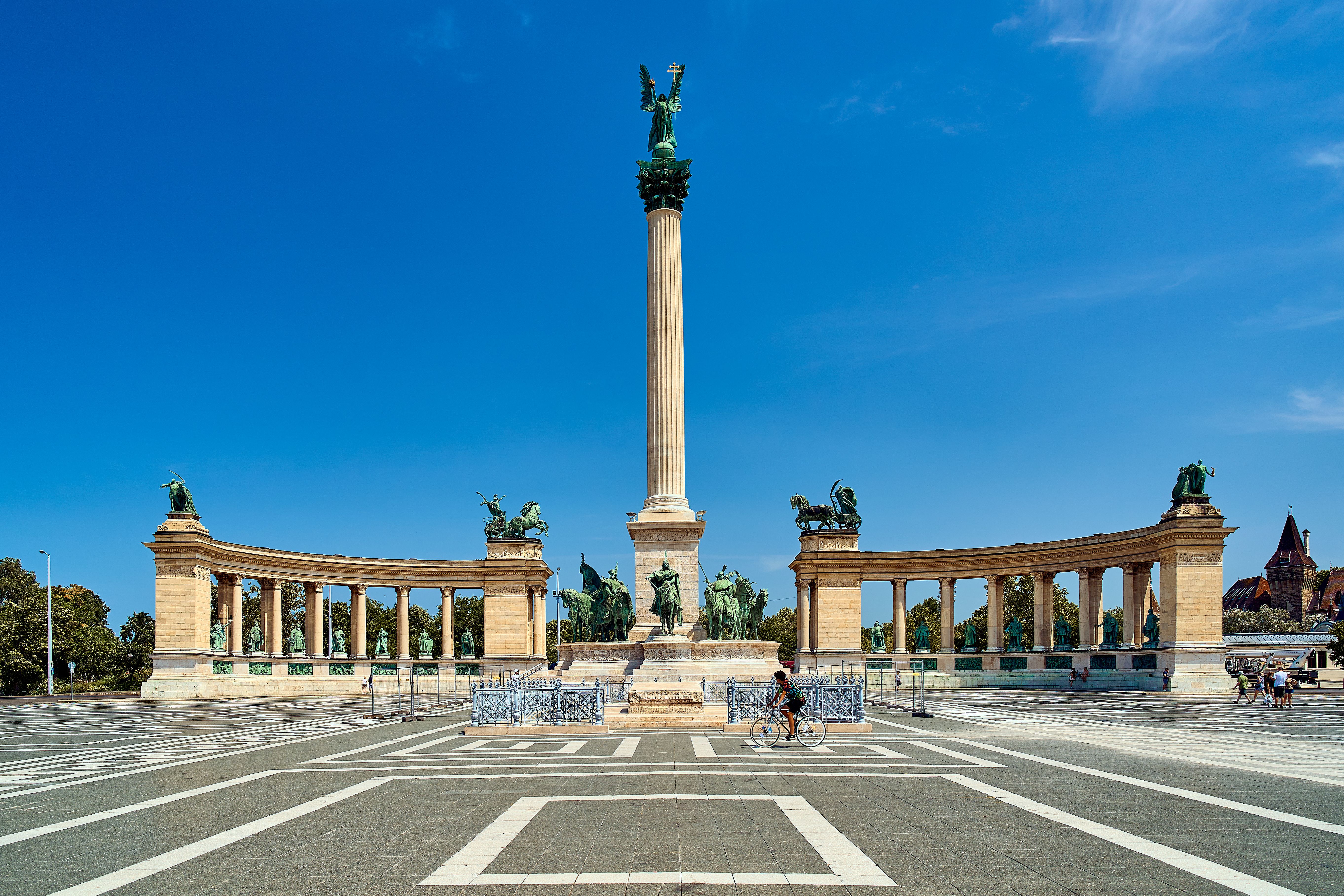
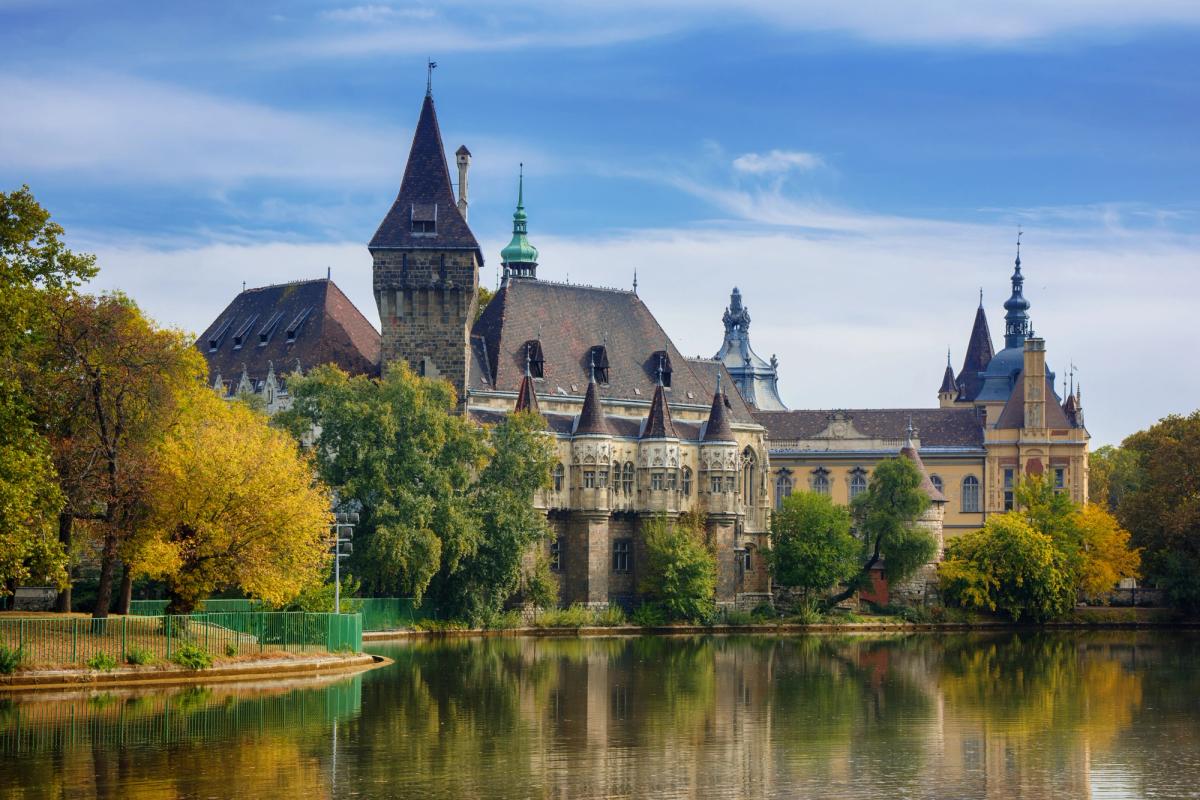
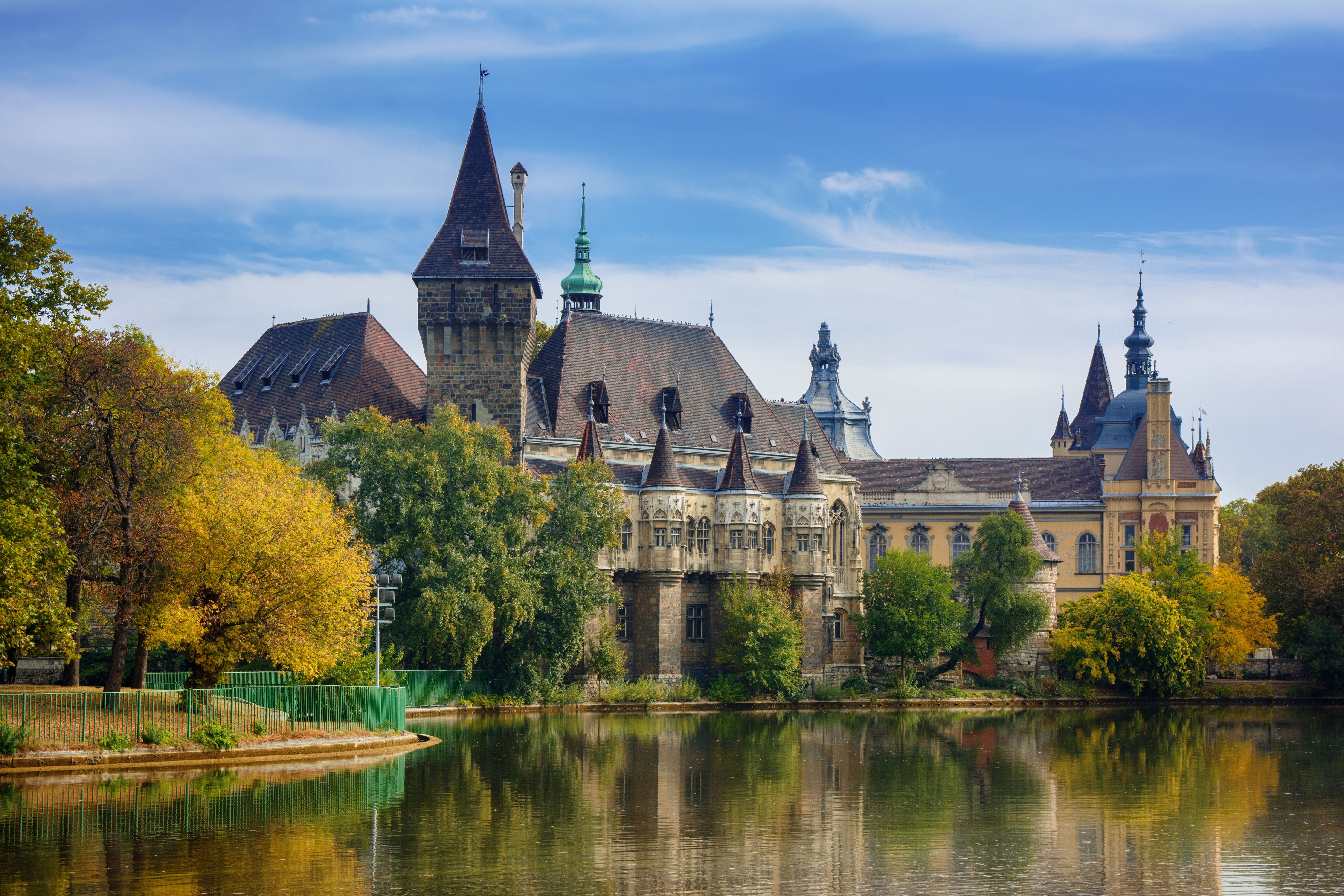
Finally, we finished the tour in the Napozórét Park, where one can find perhaps one of the greatest follies in Europe – the Vajdahunyad Castle built, like the Eiffel Tower, for a great exhibition, and no less impressive! From old to new we then rounded off our tour at the newly built House of Music – juxtaposing the impressive old castle with the striking new Hungarian architecture.
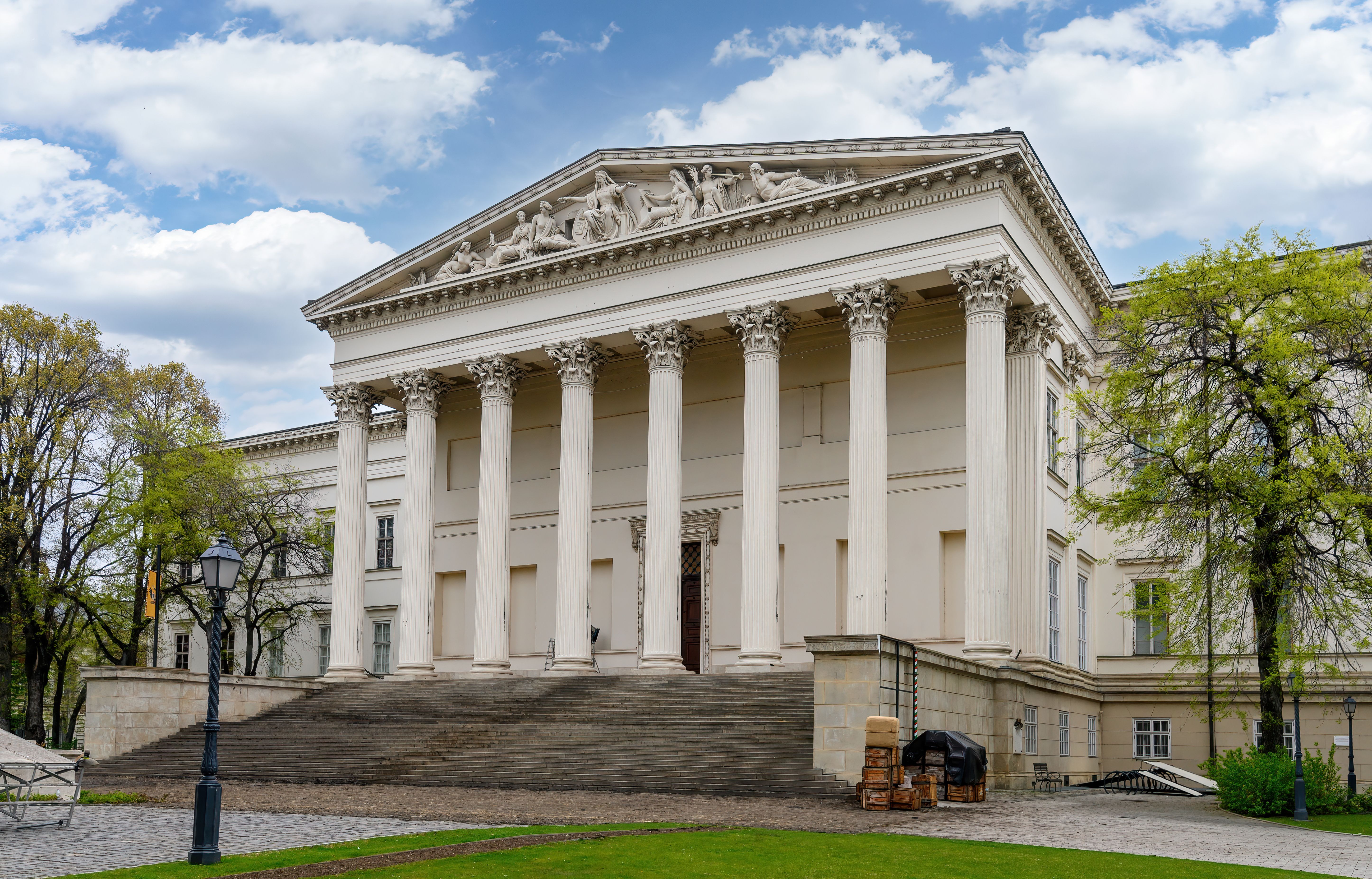
However, without a doubt, the true highlight of my trip was visiting the Hungarian National Museum to see the Atilla exhibition taking place. Based in what is now modern Hungary during his reign of terror, the Hungarian people commonly hold that the Magyar tribes descended from Atilla. The exhibition explores this origin myth, Atilla and the Huns’ medieval history, and the wider cultural impact of Atilla on the modern zeitgeist. Whilst the exhibition concludes in July, the museum more widely explores Hungary fascinating history from the medieval to the modern and is well worth a visit.